
Hi! I’m Sarah, a kiwi/British, Marketing Strategist, with a background in economics and neuroscience. I build brands grounded in human truth. Shaped by culture. And proven in the real world.

I've spent fifteen years inside the messiest, least predictable chapters of brand growth; Airbnb's early scaling, M&S's transformational turnaround, and a lot of territory in between, across both B2B and B2C. That's where you learn which fundamentals hold, and which rules you're allowed to break when the ground is moving.

Point of View

Strategy is the system that makes growth make sense.

01

Diagnose the system, not the symptom.

I do not start with the thing the business thinks it needs. I look for the pressure underneath it: the commercial gap, category logic, behaviour already happening, and the cultural frame deciding what people notice.

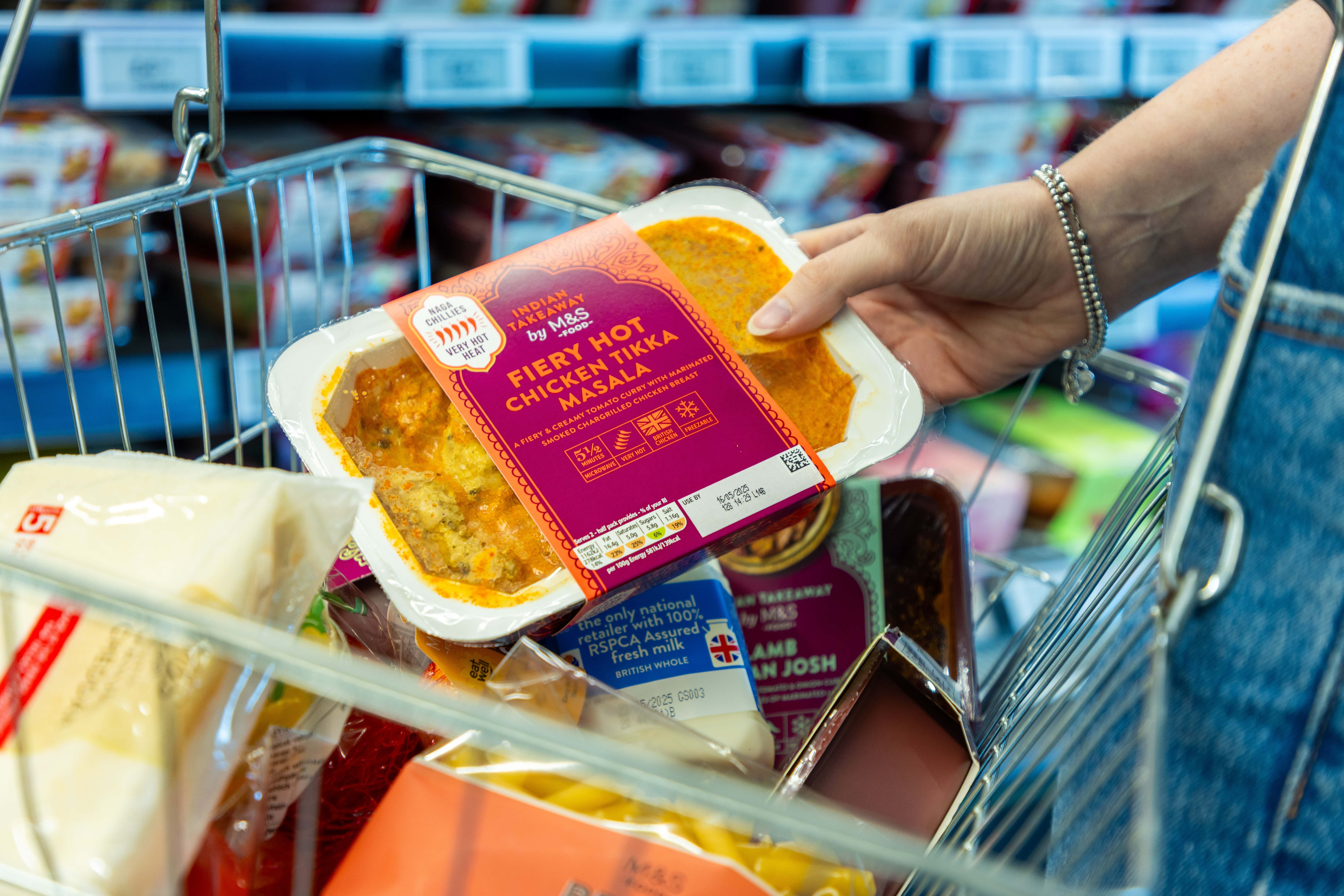
Evidence: M&S Food was trapped as “for best” when the business needed “for today”. ASOS was not short on awareness; the problem was distinctiveness and decision-making.
02

Build from how people actually behave.

I think useful strategy has to get closer to real life than the category language does. The work is to find the behaviour that can carry the brand: the ritual, job, friction, or proof people recognise without being told.

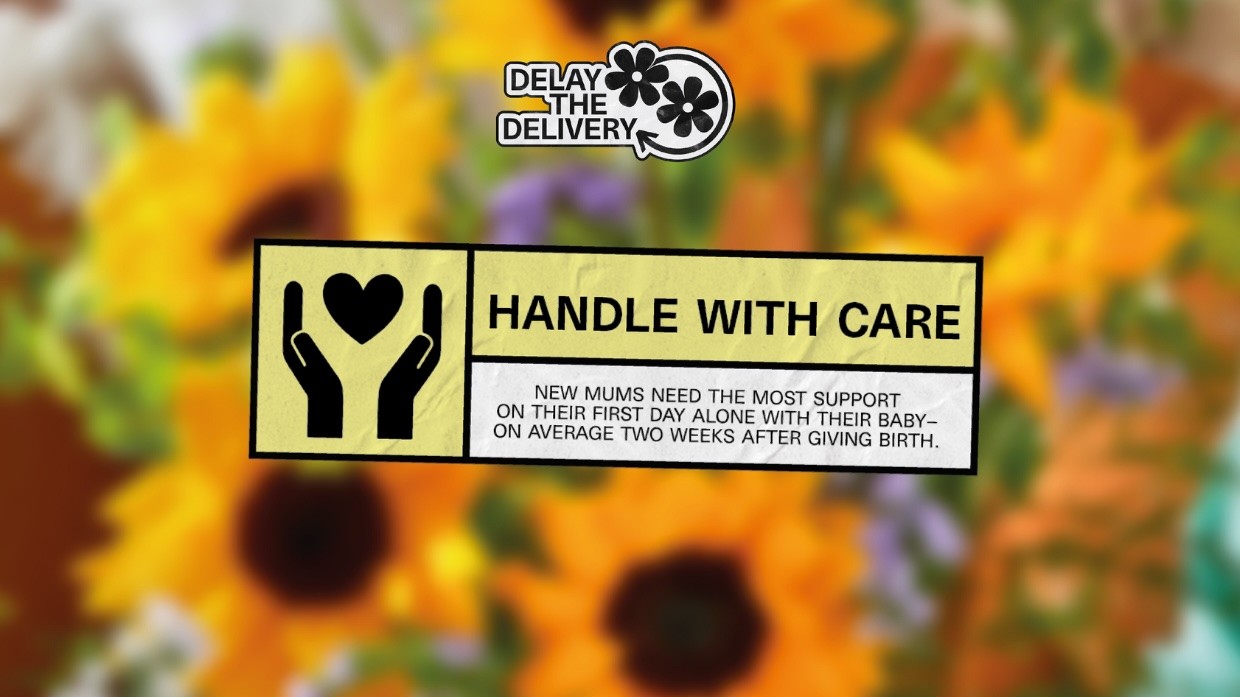
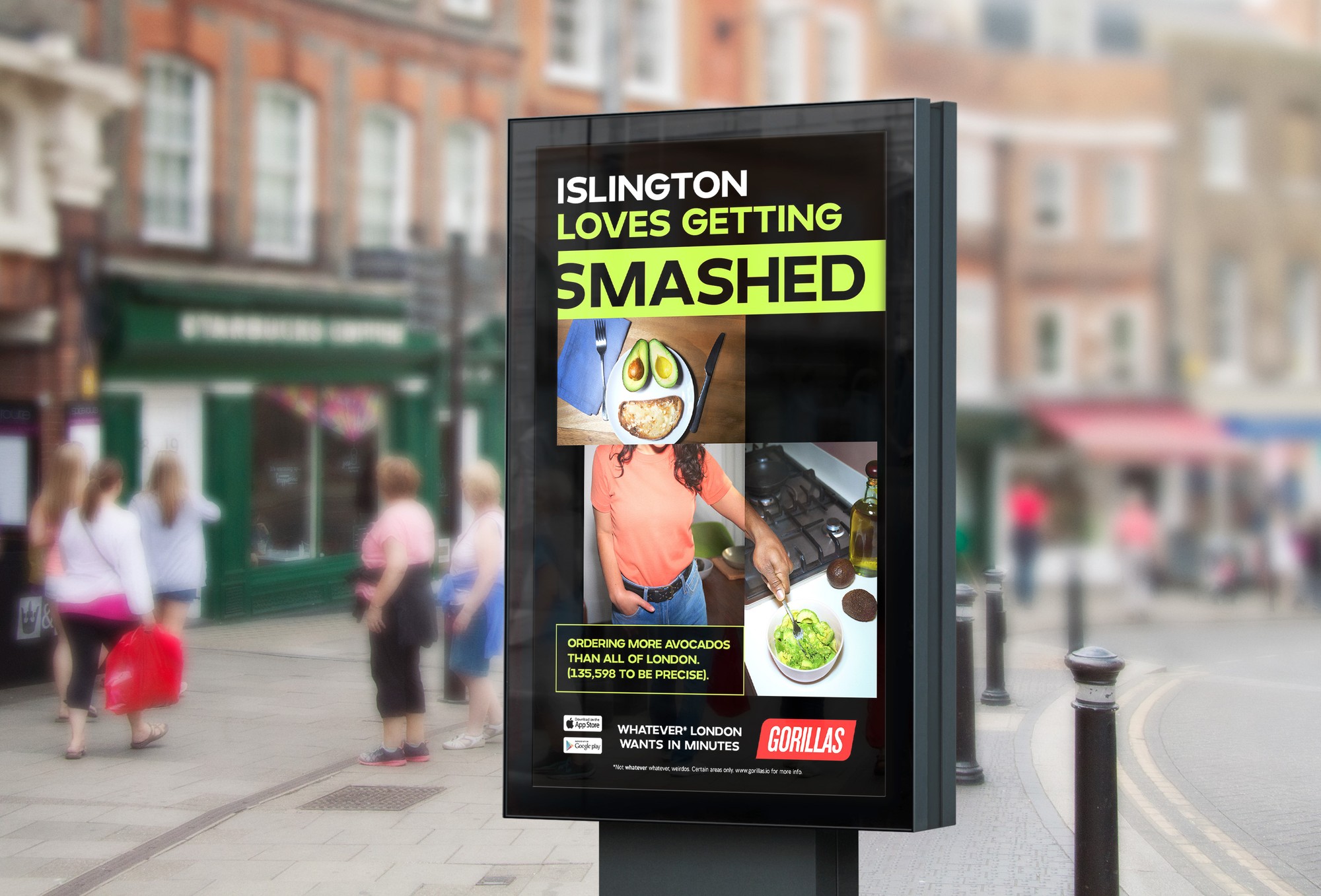
Evidence: Bloom & Wild moved from flower delivery to care, then proved it through opt-outs, product choices and CX. Gorillas moved from claiming speed to making speed visible.
03

Find advantage in the constraint.

I am interested in the strategic freedom inside the constraint. A smaller budget, second-place position, late entry or over-owned category code can become the reason to move differently.

Evidence: Harry’s shifted the axis from performance claims to how grooming feels. Gorillas treated parity as the risk, not the benchmark, in a crowded rapid-grocery market.
04

Make the idea usable by the business.

Strategy is not finished when the line is sharp. It has to become a decision system: what to make, price, say, measure, and protect when the market shifts.

Evidence: ASOS carried “Inspired By” across campaign, loyalty, UX and social. M&S turned positioning into product, pricing and range decisions. NarrativeSpec makes claims and evidence checkable before launch.

Selected Work

Proof the thinking can move through the business.

Six projects, one pattern: find the real growth problem, reframe the role of the brand, then make the strategy usable across comms, product, experience and measurement.

01

Bloom & Wild

The business was trapped in a flower-delivery race of occasions and discounts. Reframing the category around care turned the strategy into an operating system: comms, CX, product choices and moments like Mother’s Day opt-outs all had to earn the word.

Growth strategy / Brand strategy / Comms strategy / Creative direction
02

Gorillas

Rapid grocery was a noisy market of giants all shouting speed. With a smaller war chest and late entry, parity was a losing bet. The move was behavioural proof: make speed felt through real usage signals, social proof and full-funnel work across markets.

Customer data / Campaign strategy / Comms strategy / Measurement framework
03

ASOS

ASOS had ceiling-high awareness but slipping distinctiveness. The answer was not a surface refresh. The brand was repositioned as the UK’s personal stylist, giving it an active role in how customers decide across campaign, loyalty, UX and social behaviour.

Brand strategy / Comms strategy / Campaign strategy / Loyalty / UX
04

Harry’s

When you are number two, the worst move is to play the leader’s game. Harry’s could not outspend Gillette or own its claims history, so the strategy changed the axis from performance to how grooming feels, opening a more human competitive territory.

Brand strategy / Campaign strategy / Comms strategy / Performance
05

M&S Food

People loved M&S Food, but that love was not showing up in the sales line. The gap was occasion: from “for best” to “for today”. The repositioning had operational consequences for pricing, product, range, NPD, comms and measurement.

Pricing strategy / NPD input / Growth strategy / Brand strategy / Measurement
06

NarrativeSpec

A product messaging system built like infrastructure: approved claims, qualifiers and evidence live in versioned files, then launch assets are checked for unsupported claims, stale wording, missing qualifiers and cross-surface drift before they ship.

Open source MVP / Product messaging / Claim registry / Evidence governance GitHub

Capabilities

Capabilities

Strategy
  • Positioning
  • Growth strategy
  • Brand strategy
  • Consumer insight
  • Segmentation
  • Narrative development
Integrated Marketing
  • Campaign strategy
  • Comms strategy
  • Creative direction
  • Cross-functional alignment
  • Go-to-market thinking
  • Coaching and mentoring
Effectiveness
  • Measurement frameworks
  • Effectiveness analysis
  • Performance narrative
  • Decision support
  • Commercial clarity

Ready to turn human behaviour into business growth?

Practice
Integrated marketing strategy Brand, comms, growth, measurement Kiwi / British
For
  • Brand strategy
  • Growth clarity
  • Marketing leadership
© 2026 Sarah Oberman
All rights reserved